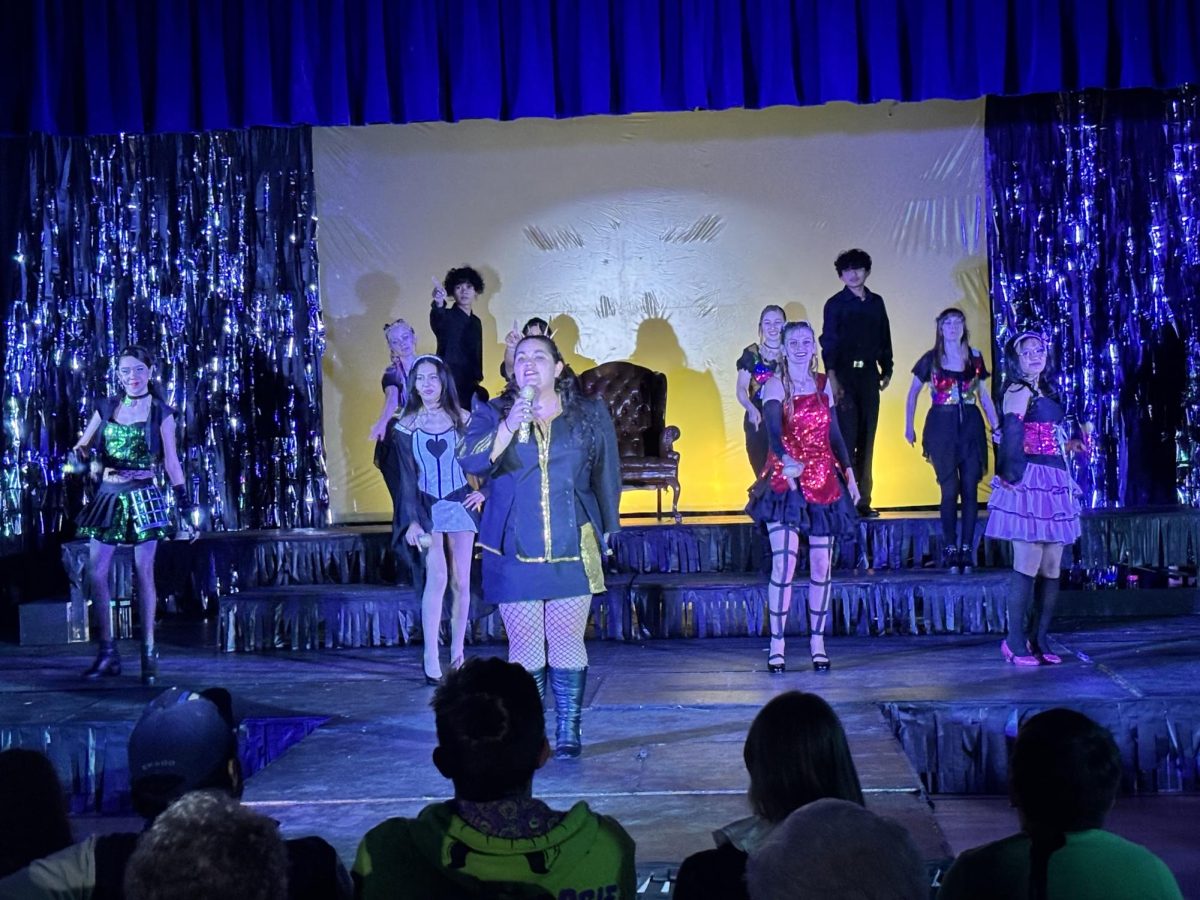



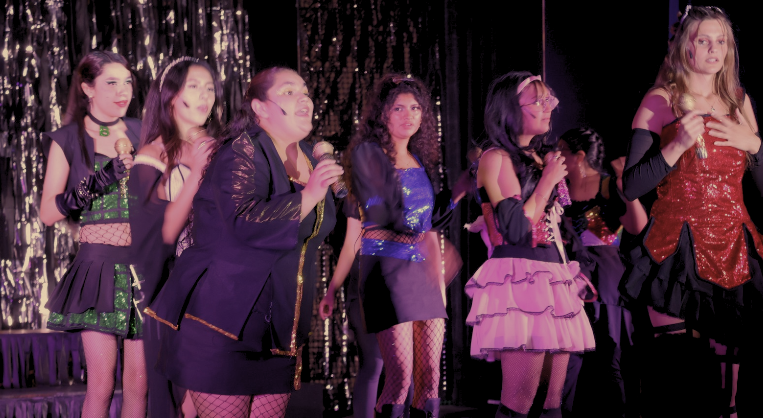



Our school is putting on a production of “Six: The Musical,” which tells the story of Henry the 8th’s Six Wives, pick up the mic to reclaim their identities outside of his story. With my curiosity piqued due to this show, I decided to research and write about the real story of the six queens.
Divorced: Our story begins with the first queen wed to Henry, Catherine of Aragon. Born on the 16th of December, 1485, to Isabella I of Castile and Ferdinand II of Aragon. At just 3, she was betrothed to Henry the 7th’s son Arthur; however, only 5 months after being married, Arthur passed away. For years, she ruled alone and became the first female ambassador in European history. In 1509, she married Henry the 8th. During the marriage, Aragon was unable to produce an heir, and with Henry’s growing infatuation with Anne Boleyn, he sought to divorce her. Henry became the head of religion to divorce Aragon. She was sent away to live the rest of her days in Kimbolton Castle.
Beheaded: Next is Anne Boleyn. Born 1501 or 1507 (historians are unsure) to Thomas Boleyn and Elizabeth Howard. She was made to wed her cousin; however, before it came to fruition, the marriage was broken off. Later, she became a maid of honor to Catherine of Aragon. Henry began his pursuit of Anne, attempting to seduce her. His charms failed to work on her; Boleyn tried to stay away, as she did not want to become a mistress, having seen her sister go down that path. Henry divorced Catherine of Aragon. Once they were married, the process repeated: they were unable to produce an heir and saw someone else, namely Jane Seymour. To allow himself to marry Seymour, he had Boleyn investigated for high treason. In the end, she was beheaded with charges of adultery, incest, and plotting to kill the king, all of which are highly disputed by historians.
Died: Jane Seymour was born in 1508 to John Seymour and Margery Wentworth. She served as a lady in waiting for Queen Catherine. When Aragon was banished, it is believed that Seymour left with her. After Boleyn’s death, she married Henry. Seymour was the first queen to produce an heir with her only child, Edward VI. 2 weeks later, she died of postnatal complications.
Divorced: Anne of Cleves was born in 1515 to John III and Maria, Duchess of Jülich-Berg. At 11, she was betrothed to Antoine, Duke of Lorraine, but the marriage ultimately never came to be as the duke was nine and considered under the age of consent (10). Cleves had her portrait painted by Hans Holbein at the request of Henry. Finding the painting satisfactory, he decided to continue his plan to marry her. Once married in less than a year, they divorced due to personality differences. She lived the rest of her life wealthy in England, living the longest out of all of Henry’s wives.
Beheaded: Katherine Howard, born in 1523 to Thomas Howard and Elizabeth Tinely. Her family struggled financially due to the actions of her father. During her early life, she was taken advantage of by her music teacher, Henry Mannox. Later, she was in a relationship with Francis Dereham, but the relationship ultimately ended in 1539 after his employer, the Dowager Duchess, found out. She became a lady-in-waiting for Anne of Cleves. With the clash of personalities and quick disinterest in Cleves, Henry sought a new relationship and that ended up being with Howard. She was executed on the 13th of February 1542, charged with adultery due to not disclosing past sexual relations to Henry. She died because of a law that had not been made when she lied.
Survived: Catherine Parr, born in 1512, was the final queen who outlived Henry. When she turned 17, she married Sir Edward Burgh. During the spring of 1533, he passed before he could inherit the title of Baron. She fell in love with Thomas Seymour, Jane’s brother; however, before she was able to marry him, she was chosen by Henry to marry him, as he wanted someone more mature to help him lead. Henry died on the 28th of January, 1547. She married Thomas Seymour afterwards happily.
Their herstory is very important, and it’s very important to see the women as people, ones that are separated from Henry. In the words of Anne Boleyn in the musical, “Since the only thing we have in common is our husband, grouping us is an inherently competitive act and as such unnecessarily elevates a historical approach ingrained in patriarchal structures.