


Every year when Daylight Saving Time ends, the clocks “fall back,” bringing darker evenings much earlier than students expect. For many teens, the sudden change is more than just an earlier sunset, it affects their motivation, mood, sports, homework routines, and even how students mentally experience the school day. After interviewing Noelia Placito Melendrez, a student who has experienced all these changes firsthand as a student athlete, it becomes clear just how much this shift affects daily life.
Noelia explained that her routine changes almost immediately once the evenings get darker. “It makes me more tired and tricks my brain into thinking about going to sleep earlier,” she said. Even though the school day stays the same, she reacts differently to the sun setting around 5 pm. This creates pressure to finish everything earlier in the day since it gets darker faster. “Since it gets darker and tiring faster, I have no motivation, so I try to do all my work in the day instead,” she shared. “Although it does get hard when everything starts to pile up and you just feel like passing out for the day.”
The early darkness also affects Noelia’s mood. When asked about emotional changes, she didn’t hesitate when saying, “More stressed, tired, and depressed.” She also mentioned that the beginning of the time change hit the hardest: “At the beginning of DST, it depressed me.” Many teens feel this gloomy shift and research often shows that reduced daylight can impact energy and motivation, especially during the busy school seasons.
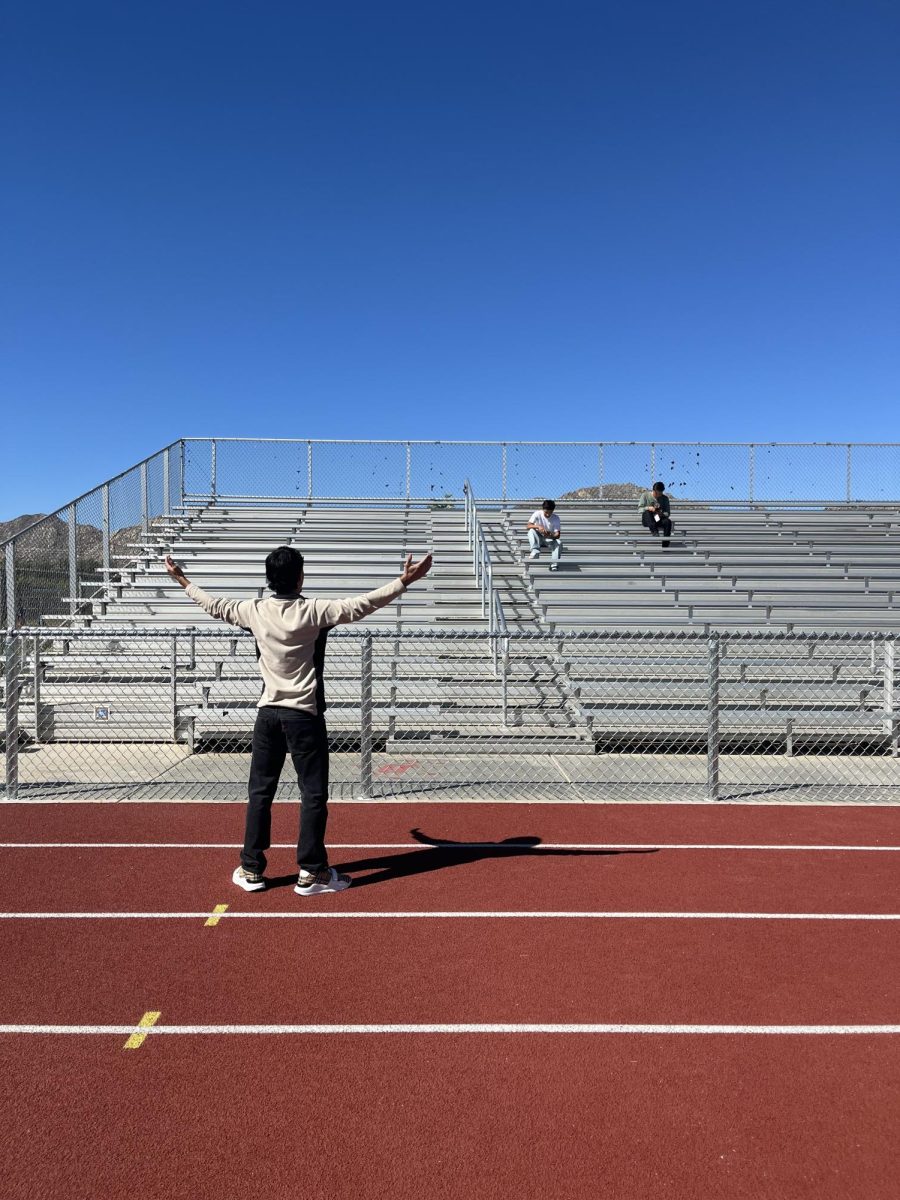
Sports and after-school activities also feel different during these darker months. While Noelia said her practice schedule didn’t change officially, the environment around her definitely did. “It didn’t really change, just changed how it looks outside,” she noted. Still, she pointed out that sports get more challenging when visibility drops early. “For sports in general, it makes it a lot harder since it’s dark a lot earlier with stuff like difficult locating stuff and having struggles sharing spaces,” Noelia explained. When outdoor fields darken sooner, it affects safety, coordination, and even the overall mood of practices.
When asked whether Daylight Saving Time makes school feel easier, harder, or just different, Noelia gave an answer many students relate to: “It feels different. It doesn’t really feel real with how early it gets dark. It feels off.” That surreal feeling can make the school day feel heavier, even when nothing on the schedule has technically changed.
Finally, when asked what she would change about Daylight Saving Time to help students, Noelia had a clear answer: “Have no daylight savings time at all because it confuses the body and internal clock.” She added that it “ messes up school,” and that early darkness makes sports harder and more frustrating. As fall and winter bring shorter days each year, students like Noelia continue to feel the effects deeply. Whether it’s sports, mental health, or school routines, the early darkness affects more than just the sky, it also affects student life itself.